Blue Zones of the World: A Journey into Longevity, with a Spotlight on Sardinia
When we think about living a long, healthy life, we often imagine cutting-edge medicine, genetic breakthroughs, or the latest wellness trend. However, the secret to longevity may be simpler and more natural than we think. Around the world, there are places known as "Blue Zones" regions where people live significantly longer lives than the global average, often reaching their 100th birthday with vitality and good health.In this article, we explore the concept of Blue Zones, take a closer look at Sardinia as one of these longevity hotspots, and dive into the importance of a diet rich in whole, unprocessed foods specifically highlighting the unique and powerful role of Corbezzolo honey in Sardinian culture and health.
What Are Blue Zones?
The term "Blue Zones" was coined by author and National Geographic Fellow Dan Buettner, who identified five distinct regions around the world where people live extraordinarily long lives. These regions share certain lifestyle characteristics that seem to contribute to their inhabitants' longevity:
- Okinawa, Japan
- Sardinia, Italy
- Nicoya Peninsula, Costa Rica
- Ikaria, Greece
- Loma Linda, California, USA
In these regions, people not only live longer, but they also tend to experience healthier, more active lives in their later years. These communities share habits that revolve around physical activity, strong social bonds, purpose-driven lives, and, crucially, healthy diets. It’s the intersection of these factors that makes Blue Zones fascinating.

Sardinia: A Deep Dive into the Land of Centenarians
Sardinia, the second-largest island in the Mediterranean, is perhaps the most well-known of the Blue Zones, thanks to its extraordinary concentration of centenarians—people who live to be 100 or older. In fact, Sardinia has one of the highest rates of centenarians per capita in the world. What makes the island stand out among other Blue Zones is not just the quantity of long-lived people, but also the quality of their health in their later years.
A Diet Rooted in Tradition and Nature
One of the most crucial factors contributing to Sardinia's longevity is its traditional diet, which is primarily plant-based and consists of fresh, unprocessed foods. Here are some key components of the Sardinian diet:
- Whole grains: Sardinians consume a variety of whole grains, often in the form of bread, pasta, and farro. These grains provide vital fiber and complex carbohydrates, which support heart health and regulate blood sugar levels.
- Legumes and vegetables: Beans, lentils, and peas are staples of the Sardinian diet, packed with protein, fiber, and essential nutrients. Vegetables such as tomatoes, artichokes, and leafy greens are also integral, contributing to the anti-inflammatory properties of the diet.
- Healthy fats: Olive oil, which is abundant in Sardinia, provides healthy fats that support heart health and reduce the risk of chronic diseases.
- Fermented foods: Cheese, particularly Pecorino Sardo, is a common part of the Sardinian diet. The sheep’s milk used for Pecorino is rich in omega-3 fatty acids, and its fermentation process creates beneficial probiotics.
- Red wine: In moderation, red wine, particularly Cannonau (a variety grown in Sardinia), is consumed regularly. This wine is high in polyphenols, which have antioxidant properties that protect the body from aging and chronic diseases.
The Sardinian diet is naturally low in processed foods and sugars, which are known to contribute to a range of modern health problems such as diabetes, heart disease, and obesity. Instead, it emphasizes nutrient-dense, locally sourced ingredients that are prepared simply, often with minimal cooking or processing. This focus on whole, unprocessed foods is a key contributor to the longevity observed in the region.
The Unique and Powerful Honey of Sardinia: Corbezzolo Honey
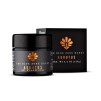
While the traditional Sardinian diet features many powerful ingredients, one standout product is the Corbezzolo honey(also known as Strawberry Tree honey). This dark, rich honey is harvested from the Arbutus unedo, a plant native to the Mediterranean region, particularly Sardinia. Corbezzolo honey is one of the island’s most unique and cherished products, and it holds significant health benefits.
Health Benefits of Corbezzolo Honey
- Rich in Antioxidants: Corbezzolo honey has a high concentration of antioxidants, which help protect the body from oxidative stress. These antioxidants can reduce the risk of age-related diseases, such as cardiovascular conditions and Alzheimer's disease.
- Anti-inflammatory Properties: This honey has natural anti-inflammatory effects, helping to reduce inflammation in the body and supporting joint health. In a region where people remain active well into old age, reducing inflammation is crucial to maintaining mobility and quality of life.
- Gut Health: Like many natural honeys, Corbezzolo honey is a prebiotic, which helps nourish beneficial bacteria in the gut. A healthy gut microbiome is essential for overall health, particularly immune function and digestion.
- Antibacterial Properties: Corbezzolo honey also has antibacterial properties, which makes it a useful remedy for minor wounds and infections. It is often used in traditional Sardinian medicine to promote healing.
- Supports the Immune System: With its unique combination of nutrients, this honey is known to boost the immune system, providing an extra layer of defense against common illnesses.